
Tooth decay is still one of the most common chronic conditions affecting children in the U.S. In fact, data from the Centers for Disease Control and Prevention (CDC) shows that more than half of school-aged children and teens experience cavities at some point. These numbers highlight why early dental care matters—and why pediatric dental professionals play such an important role. Pediatric dentists don’t just provide clinical care; they help shape how children feel about the dentist, often setting the tone for a lifetime of healthy habits.
Pediatric dental assistants are a big part of that experience. They support young patients as they learn how to care for their teeth, gums, and overall oral health—from childhood through adolescence. Because working with kids requires patience, communication, and specialized techniques, pediatric dental assisting comes with its own unique set of skills. For those considering a hands-on, purpose-driven healthcare career, understanding the role, responsibilities, and training requirements is an important first step.
What Does a Pediatric Dental Assistant Do?
Pediatric dental assistants help dentists execute various procedures, such as teeth cleaning and sealant application. Their role can also involve taking and developing X-rays and educating patients and their families on the importance of developing and maintaining effective home oral health strategies, such as proper brushing techniques and routine flossing.
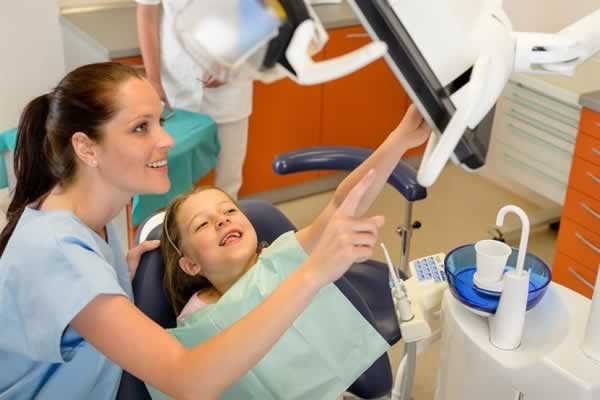
Pediatric dental assistants also put children at ease during dental visits. A child’s first trip to the dentist can induce anxiety because they don’t know what to expect or may be intimidated by unfamiliar dental equipment. A pediatric dental assistant can help children relax by thoughtfully guiding them through the procedures, supporting them in anxious moments, and teaching them how to keep their teeth healthy at home.
What Core Traits and Skills Help Pediatric Dental Assistants Succeed?
A pediatric dental assistant must possess the skills to complete essential dental care tasks. These abilities include technical skills for proper equipment use and exceptional dexterity to handle delicate procedures. They must also be able to manage some administrative duties, as they may handle office work such as scheduling appointments or maintaining patient files.
Pediatric dental assistants should also have interpersonal skills to build trust and rapport with their young patients.
Make Kids Feel Comfortable in the Dental Chair
When young children visit the dentist’s office, they are often nervous. Dental assistants need to take extra time to help them relax during the visit, explaining every step before they take it and weaving in some fun. This can range from getting the child’s help in counting their own teeth to renaming instruments, so they sound friendly and not scary. These tactics help build the patient’s confidence and lessen their worries about coming to see the dentist. It can also make it easier for children to understand the importance of taking care of their teeth.
Understand Young Patients’ Unique Dental Health Needs
Children are more susceptible to cavities compared to adults, due to factors such as sugar-heavy diets, inconsistent oral hygiene routines, and thinner enamel of primary (baby) teeth. For patients in this age group, preventing cavities is much more manageable than filling them. Pediatric dental assistants will often focus on applying treatments that help prevent decay, such as fluoride treatments and sealants.
Educate and Encourage Healthy Dental Habits
Many children do not fully understand the correct techniques for brushing and flossing their teeth. Part of the role of a pediatric dental assistant is to provide guidance and instruction to help young patients develop proper oral hygiene routines. These lessons can stay with patients throughout their lifetime.
How to Become a Pediatric Dental Assistant
Becoming a pediatric dental assistant begins with gaining the specialized knowledge and skills in a dental assistant training program. These programs commonly take one to two years to complete.
After completing a program, the next step is to earn licensure in the intended state of practice. Licensure requirements vary by state; in some states, individuals may also have to earn a Certified Dental Assistant (CDA) credential from the Dental Assisting National Board (DANB).
A career in pediatric dentistry usually requires on-the-job training. Once an individual earns licensure and certification, if required, they’ll be able to gain experience by working for a pediatric dentist.
Pursue a Career
A pediatric dental assistant doesn’t just help clean their patients’ teeth or assist in filling cavities. They help lay the foundation for healthy oral care habits that can benefit patients for the rest of their life. Those in the profession can use their knowledge and skills to make a profound impact on a person for decades to come.
Fortis offers dental assisting and dental hygienist training programs that can help you take the first step toward joining this exciting field. Our program is designed to equip you with a full understanding of dental care as well as the necessary skills to apply your knowledge in the real world. Learn how we can help prepare you to take that first step toward an important career.
Recommended Readings
Dental Hygienist vs. Dental Assistant: What’s the Difference?
Give Kids a Smile a Day
What Does It Mean to Be Part of the Dental Office Team?