
As the seat of Alabama’s Houston County, Dothan plays an important economic role in the region. The increase in new construction in Dothan along with the ongoing maintenance requirements of its existing buildings have led to a growing need for skilled trades professionals in the area, including professionals who work in heating, ventilation, and air conditioning (HVAC) and those also licensed to work in refrigeration (HVAC-R).
These technicians work to ensure that HVAC systems function properly, which is essential in keeping homes, offices, and public buildings comfortable and safe throughout the year. Pursuing HVAC training in Dothan, Alabama, can help prepare individuals for technician roles in which they maintain, repair, and install these critical systems.
For those who like solving problems and working with their hands, the HVAC field can offer a practical and rewarding career. Understanding how long HVAC training takes — and what it includes — can help aspiring technicians in Dothan plan their next steps toward certification, licensure, and a dependable career.
What Does HVAC Training Entail?
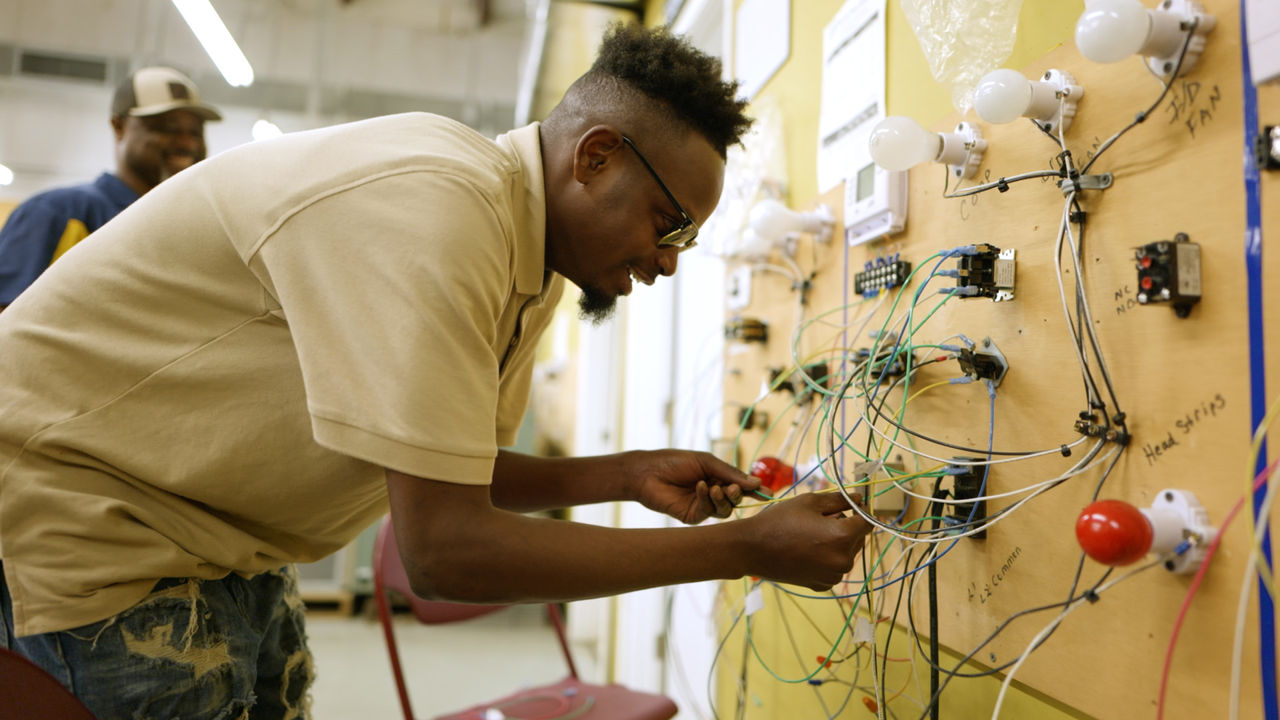
Becoming an HVAC technician requires a combination of classroom learning and hands-on training. Students enrolled in HVAC training learn to install, maintain, and repair heating, ventilation, air conditioning, and refrigeration systems while developing essential problem-solving and diagnostic skills.
How long HVAC training takes in Alabama depends on the path an individual chooses to pursue. Some choose to train through a registered apprenticeship, which combines on-the-job, hands-on training with technical instruction over several years. Apprentices learn to interpret blueprints, follow safety standards, and use industry-specific tools under the supervision of experienced professionals.
Others choose a faster route through an accredited training program. Fortis College in Dothan offers an HVAC-R training program that can be completed in as little as 48 instructional weeks.
Classroom and Hands-On Learning
HVAC training programs offer both coursework and lab experience, preparing students for entry-level technician service work. These programs are designed to equip students with the skills and confidence needed to succeed in the field.
In these programs, students explore important topics such as:
Safe System Design and Operation: How heating, cooling, and ventilation systems are put together and how they work in combination
Electrical and Controls: Electrical theory, safety practices, and how to use HVAC-R controls for diagnostics and troubleshooting
Energy Efficiency and Green Technology: Improving system performance and using sustainable technologies to lessen HVAC systems’ impact on the environment.
HVAC Training Requirements in Dothan
Working in HVAC in Alabama does not require a college degree, but technicians in the state are required to hold a license. Licensure requirements include a high school diploma, completion of an apprenticeship or an accredited training program, hands-on experience, and passing relevant certification exams.
Education or Experience Requirements
Individuals with a high school diploma interested in working in HVAC in Alabama have options. Some aspiring technicians choose to pursue an apprenticeship, while others choose to enroll in an HVAC training program.
To qualify to sit for the licensure exam, individuals must do one of the following:
Hold an apprentice registration, issued by the Alabama Board of Heating, Air Conditioning and Refrigeration Contractors, for two or more calendar years
Complete 3,000 hours of coursework or experience, as defined by the Alabama Board of Heating, Air Conditioning and Refrigeration Contractors
Graduate from an approved heating, air conditioning, or refrigeration program
Testing Requirements
In Alabama, HVAC professionals can pursue licensing as a heating and air conditioning contractor or a refrigeration contractor.
To gain state licensure in Alabama, candidates must pass one or both of the following exams, depending on their career goals:
The Heating and Air Conditioning Contractors Examination, which covers installation, service, and repair of heating and cooling systems
The Refrigeration Contractors Examination, which covers installation, service, and repair of commercial refrigeration equipment
To handle refrigerants, all states require individuals to hold the Environmental Protection Agency (EPA) Section 608 Technician Certification. Licensed contractors performing HVAC or refrigeration work must maintain active status, which requires a business name, a $20,000 performance bond, and an annual fee of $220.
Benefits of HVAC Training in Alabama
Completing a certified HVAC training program in Dothan prepares individuals to work in a reliable, hands-on trade. To decide whether a career in the skilled trades is the right choice, individuals should consider these key advantages of graduating from an approved HVAC training program in Alabama.
Fast Path to Licensure
Fortis College’s HVAC-R program prepares aspiring technicians for licensing exams in as little as 48 instructional weeks — far quicker than other options.
Promising Job Outlook
Positions for heating, air conditioning, and refrigeration mechanics and installers in Alabama are projected to grow 9.8% between 2022 and 2032, according to Projections Central. This steady increase in jobs reflects the ongoing demand for trained professionals across the residential, commercial, and industrial sectors in the state.
Local Infrastructure Investment
Alabama’s expanding construction and manufacturing industries continue to create HVAC employment opportunities. For example, under the 2025 Growing Alabama program, more than $3 million was allocated to the Houston County Distribution Park in Dothan, supporting new facilities that will require HVAC installation and maintenance.
Recession Resistance
HVAC work remains essential regardless of economic conditions. Homeowners, businesses, and healthcare facilities rely on functioning systems year-round, making working in HVAC services a steady and reliable career path even in uncertain times.
Career Flexibility
HVAC professionals can work in residential, commercial, or industrial environments. They can also choose to specialize in an area such as refrigeration or energy efficiency. This flexibility allows technicians to tailor their careers to their interests and strengths.
Climate-Driven Demand
Alabama’s long, hot summers put a strain on cooling systems. According to Forbes, extreme temperatures are playing a role in shortening the lifespans of HVAC systems to around 13 years — which is roughly 40% shorter than a decade ago. This climate-driven change in the market, paired with new energy efficiency standards, continues to fuel opportunities for HVAC installation and retrofitting work.
Prepare for a Rewarding Career in HVAC in Dothan, Alabama
Completing a certified HVAC training program in Alabama prepares students for steady work in an essential trade. The expanding opportunities in the state across various settings — from new facility builds to home improvements — enable HVAC professionals to build rewarding careers while supporting Alabama’s communities and businesses.
Through courses in HVAC fundamentals, electrical systems, heating systems and controls, air conditioning and refrigeration systems, troubleshooting and diagnostics, and energy efficiency and green technology, students in the Fortis College HVAC-R Training Program in Dothan, Alabama, can gain the technical foundation needed to succeed.
Graduates of the program are prepared to install and repair heating and cooling systems, use computerized diagnostics across multiple environments, and think critically to identify and resolve system issues effectively.
Learn more about Fortis’ HVAC-R program in Dothan, and take the first step toward a stable, rewarding future in the skilled trades.
Recommended Readings
What I Like Best About Working in HVAC
How to Become an HVAC Contractor
HVAC Technician: Job Description, Requirements, and Outlook