
Dental hygienists are vital members of the dental healthcare team, providing preventive dental care that supports patients’ oral health and overall wellness. With career-ready dental hygiene training, professionals in this role can enter the workforce prepared for entry-level positions working alongside dentists and engaging with patients of all ages. Strong dental hygienist skills—including technical abilities like using dental tools and equipment, as well as soft skills such as communication and empathy—help dental offices operate efficiently while delivering high-quality patient care.
A career as a dental hygienist is an excellent choice for individuals who are interested in a fast-paced, dynamic career in oral healthcare. Instead of committing to a lengthy and expensive four-year college degree program, students can prepare for an entry-level dental hygienist role by enrolling in an accredited dental hygienist training program that can be completed in about two academic years.
What Do Dental Hygienists Do?
Dental hygienists are skilled, state-licensed professionals who perform a wide range of clinical and administrative tasks in support of dentists. They help ensure that patients receive high-quality, compassionate dental care. Following are some of the primary tasks that a dental hygienist may carry out over the course of a day:
Assessing patients’ oral health
Explaining procedures to patients in a calm and supportive manner
Cleaning and scaling teeth
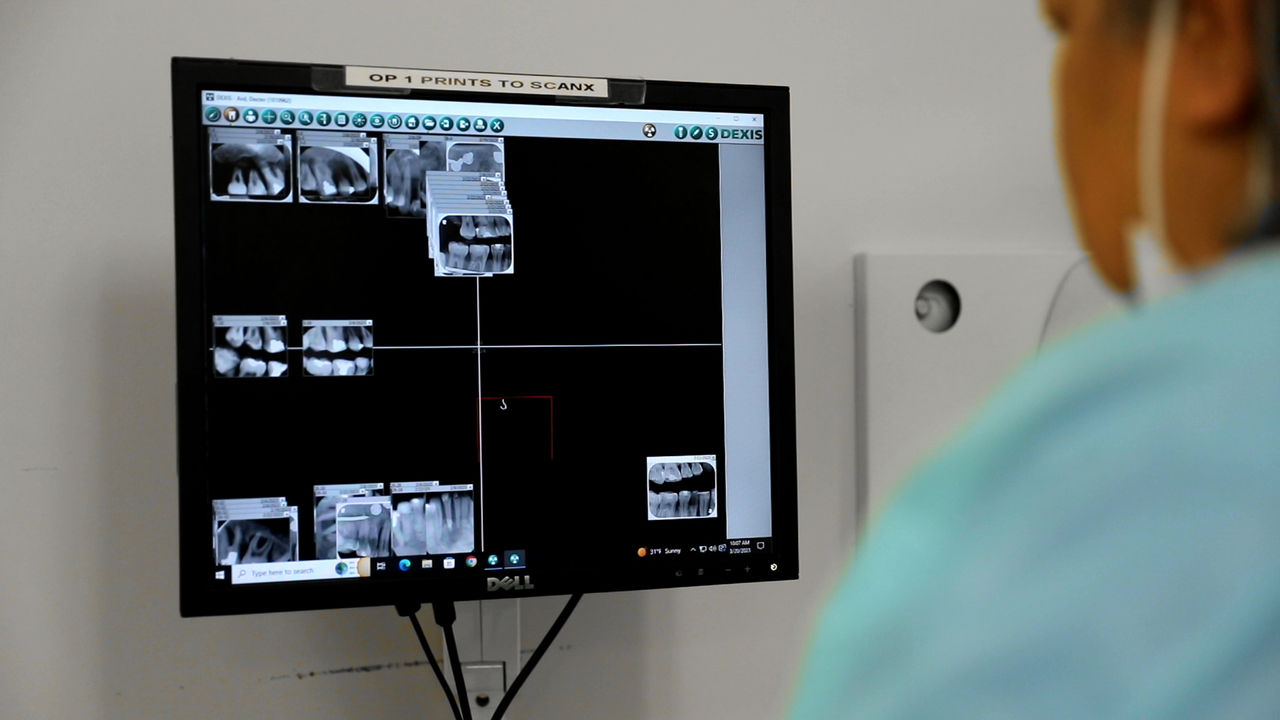
Taking and reading X-rays
Counseling and educating patients on the importance of good oral health
Recommending and administering preventive dental treatments
Performing bookkeeping, documentation, scheduling, and other administrative tasks
7 Skills Dental Hygienists Should Have
Dental hygienists learn many of the skills they need to succeed in their roles during their training program, including skills in oral health, ethics, and radiology. Other impactful dental hygienist skills, such as interpersonal communication skills, empathy, and attention to detail, must be honed over time.
1. Interpersonal Communication
Dental hygienists need effective interpersonal communication skills to be able to explain dental procedures and conditions to patients in a way they can understand. These skills also help dental hygienists emphasize the importance of following dental care tips.
Being able to communicate well in emails, in phone calls, and face-to-face is vital for collaborating with other dental services providers, managing appointments, and keeping records organized as well.
2. Oral Anatomy and Health
Dental hygienists must have a solid understanding of the structures of the mouth, including the gums, teeth, and tongue. They should also know the signs and symptoms of various dental conditions, such as gum disease and tooth decay. This knowledge allows the hygienist to determine the best course of action alongside a dentist.
3. Ethics
Understanding and being able to uphold professional ethics is one of the most valuable dental hygienist skills of all. Dental hygienists work with many patients every day, and each one is entitled to privacy, dignity, and transparency. Only then will patients feel confident in their dental providers’ abilities and know they put safety and compassion first.
4. Fine Motor Skills
Dental hygienists need well-honed fine motor skills to be able to perform their duties effectively and avoid accidentally damaging their patients’ teeth and gums. Good manual dexterity is crucial when injecting an anesthetic prior to a procedure, applying a professional-grade whitening product, or simply cleaning teeth. Students practice procedures and processes frequently throughout their training, and they are also encouraged to strengthen their hand muscles through regular exercise.
5. Empathy and Compassion
Some patients may feel anxious during a visit to the dentist, while others may avoid dentist visits entirely out of fear. Dental hygienists who are able to express empathy and compassion can help ease patients’ minds and encourage them to seek the care they need when they need it.
6. Focus
Being skilled at remaining focused during a complex dental procedure helps hygienists ensure positive outcomes for their patients and their practice. Dental hygienists must be able to concentrate on the task at hand and leave previous or future appointment concerns at the exam room door. Focusing on the dentist’s processes during an in-depth procedure also allows the hygienist to provide better support.
7. Radiology
Understanding the basics of radiology and knowing how to take X-rays are some of the most valuable dental hygienist skills in any dental practice. X-ray images are important to patients’ health as they can sometimes help dentists find issues that are not visible at the surface level. Dental hygienists need to know how to prepare patients for their X-rays and how to operate the machinery to be able to deliver quality dental care.
Benefits of a Dental Hygiene Training Program
U.S. News and World Report ranked dental hygienist number 7 in its best healthcare jobs for 2026, based on factors such as wages, growth, unemployment rate, and employee satisfaction. Dental hygiene training programs are less time-consuming and more affordable than four-year college degree programs, and many graduates earn a median salary that is higher than the national average.
The U.S. Bureau of Labor Statistics projects that employment of dental hygienists will grow 7% over the next decade, which is faster than the average growth projected for all occupations. This growth is expected to be driven by an increasing awareness of the links between dental health and overall physical health as well as efforts to make dental care more accessible to all. As such, individuals with quality training and excellent dental hygienist skills can enjoy above-average job security well into the future.
Gain Dental Hygienist Skills at Fortis
Dental hygienists support dentists and dental practices with their extensive clinical and administrative skills and knowledge. If you want to help people look better, feel better, and stay healthy, a career as a dental hygienist is an excellent choice.
The Dental Hygienist training program at Fortis can provide you with the skills and knowledge you need to seek licensure and entry-level employment as a dental hygienist in as little as two years. Our combination of classroom, hands-on, and laboratory education can help prepare you for this in-demand role. Learn more about how you can get started on an exciting and fulfilling new career path.
Recommended Readings
What Will You Learn in a Dental Hygiene Program?
Dental Hygiene Jobs: What You Need to Know to Be Prepared
A Career in Dental Hygiene Offers Many Reasons to Smile