
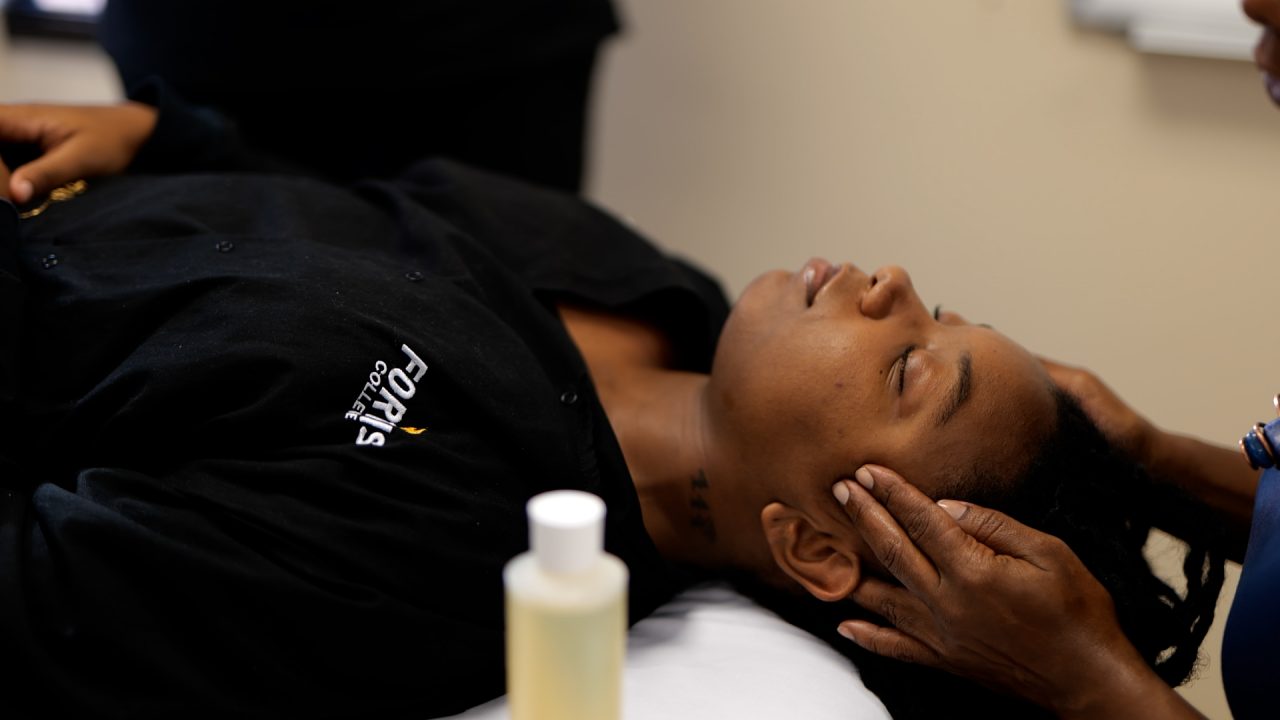
Massage therapy has become a mainstay in holistic healthcare practice. Massage has been shown in clinical studies to decrease pain, strengthen the immune system, lower stress levels, elevate mood, and generally improve wellness.
If you’re drawn to helping people feel better and take control of their health and wellness, a career in massage therapy might be worth exploring. It’s a field that continues to grow — and one where your work can make a meaningful difference in people’s daily lives.
Thinking about a more hands-on, alternative path in health and wellness? Learning how to become a massage therapist is a great place to start. In as little as 31 weeks, the Fortis Massage Therapy program can help you build the skills you need to step into a flexible career with steady demand.
What Does a Massage Therapist Do?
Massage therapists are trained professionals who use muscle manipulation techniques to assist clients with a variety of health and wellness issues. Some specialize in one or more types of massage, including Swedish, trigger point, sports, or deep tissue. Massage therapists work in a wide range of settings, including fitness centers, spas, and medical centers. Many self-employed massage therapists work in their own homes or in their clients’ homes.
Part of learning how to become a massage therapist involves understanding the day-to-day duties and responsibilities associated with the role. Though their responsibilities may vary from one client or setting to the next, most massage therapists perform the following tasks:
- Using their hands to apply varying pressure to muscles and other tissues
- Keeping records that include their clients’ treatment goals, plans, and progress
- Talking to clients about their symptoms and what they hope to achieve through massage therapy
- Teaching clients about lifestyle choices that can improve their health and wellness
- Recommending stretches and exercises to clients that can improve their flexibility or range of motion
- Developing individual treatment plans that suit their clients’ goals and needs
Steps to Become a Massage Therapist
For those interested in becoming a massage therapist, the steps can vary. Individual states, counties, and cities set their own rules, especially when it comes to licensing requirements. Generally, the steps include earning a postsecondary nondegree certificate, developing relevant skills, gaining experience, obtaining licensure or other credentials, and pursuing ongoing education and professional development.
1. Complete a Massage Therapy Program
No state has a college degree requirement for massage therapists, which is one of the reasons massage therapy is gaining ground as a popular career choice. Instead, most states require massage therapists to complete a postsecondary nondegree massage therapy program before seeking employment in the field.
Though the program length can vary depending on an individual student’s needs and schedule, most can earn their massage therapy certificate in six to 12 months, according to the American Massage Therapy Association (AMTA). The certificate shows that the student has mastered important concepts such as pathology, anatomy, and kinesiology and is ready to begin working in the field.
Students in massage therapy programs get to learn about subjects that are directly related to working in the profession. For example, the Fortis Massage Therapy program teaches students about:
- Swedish massage and the basic techniques and strokes that massage therapists use, as well as practitioner body mechanics and client positioning and draping
- Deep tissue massage techniques and principles, as well as targeted body area protocols and the connection between deep tissue massage and common health problems and injuries
- Pathology, pharmacology, and massage research, which encompasses the physiological processes associated with disease, causes and risk factors for disease, therapies that can prevent or treat specific conditions, and commonly used medications and how they affect the process of massage
- Allied modalities, including sports massage, prenatal massage, and aromatherapy, all of which are currently offered in the field of massage
Students in the Fortis program also get invaluable hands-on experience using what they learn. For example, they:
- Get to practice providing full body massage sessions with classmates and instructors
- Complete 100 hours of clinical experience working in the Fortis public massage clinic
2. Develop Key Skills
Successful massage therapists hone key skills during their massage therapy program. These skills help massage therapists become more effective in their role, increase their client satisfaction rate, and make a real difference in their clients’ lives. Anyone researching how to become a massage therapist will discover that students focus on the following hard and soft skills:
- Communication: Massage therapists must be excellent communicators to effectively understand and treat their clients’ specific needs. They must be able to listen carefully and respond appropriately in person, on the phone, and via written communication such as email.
- Anatomy and Physiology: A solid understanding of the body and how it functions is essential to a massage therapist’s success. Gaining relevant knowledge of human anatomy and physiology prepares massage therapists to choose the right therapies and apply the proper techniques during massages.
- Empathy and Compassion: Clients seek massages for a wide range of reasons, some of which are personal. Empathy and compassion are vital to understanding clients’ emotional needs and helping them feel at ease.
- Physical Stamina: Massage therapists need to be able to use the strength in their hands and arms, often for several hours a day. Knowing how to conserve their energy, strengthen their movements, and maintain the proper pressure allows massage therapists to successfully do their jobs.
- Good Hygiene: Massage therapists are in close contact with their clients, and excellent personal hygiene skills are important. By employing frequent hand-washing and other hygienic practices, massage therapists help their clients stay healthy and feel comfortable.
3. Obtain Licensure and Credentials
As of 2026, massage therapists must be licensed in 45 states, Puerto Rico, the U.S. Virgin Islands, and the District of Columbia. Each state determines its own licensure qualifications, including renewal timing and procedures. Students are encouraged to contact the massage therapy licensing board in the state where they plan to seek employment. Obtaining licensure in the majority of jurisdictions requires passing the Massage & Bodywork Licensing Examination (MBLEx).
Aside from licensure, many massage therapists seek one or more optional certifications. These may require students to complete a specialized massage program at a specific facility and pass the related exam.
4. Gain Work Experience
A massage therapist’s first work experience takes place during a comprehensive certificate program, which combines classroom training with hands-on learning. At the entry level, massage therapists may work as apprentices. Initially, a massage therapy apprentice will likely observe a more experienced therapist. Later, they may practice their own techniques under another therapist’s direct supervision.
5. Continue Professional Development
Learning how to become a massage therapist is the first step in the process. Continuing education (CE) is important for maintaining massage therapy licensure, and the requirements in each state vary. AMTA offers free online CE courses for massage therapists that cover topics such as self-care, business and marketing, ethics, massage education, general education, and research.
Many massage therapists choose to participate in workshops, conferences, and expositions, where they can learn more about current research and discover new technologies that could improve or impact their practice.
Job Outlook for Massage Therapists
The massage therapy services market is expected to grow by 5.7% between 2026 and 2036, according to a 2026 report by Future Market Insights (FMI). Growing interest in using preventive wellness techniques, managing stress, and finding pain relief using non-pharmacological solutions are fueling this growth. In addition, an increase in awareness about musculoskeletal health, a desire to reduce physical strain due to sedentary work, and a growing demand for recovery therapies are expected to spur demand for massage therapy services. FMI estimates that the global massage therapy industry is worth $76.6 billion as of 2026 and will grow to more than $133.3 billion by 2036.
The U.S. Bureau of Labor Statistics (BLS) projects that positions for massage therapists will increase by 15% between 2024 and 2034 for many of the same reasons. More consumers than ever are interested in massage therapy as a safe and natural alternative to pharmaceutical solutions for stress, anxiety, and pain, and the increased demand for these services is expected to fuel significant growth in the field over the next decade.
Promote Health, Wellness, and Relaxation by Becoming a Massage Therapist
As more people seek the benefits of massage therapy, the demand for qualified professionals will continue to rise. This represents a great opportunity for new massage therapists to enter the profession and begin a meaningful career helping others feel their best.
You can learn how to become a massage therapist with the Massage Therapy training program offered at the Fortis Institute in Towson, Maryland, and Fortis College in Richmond, Virginia, campuses.
Our comprehensive program can prepare you for a career as a licensed massage therapist, opening doors to job opportunities in your choice of setting or self-employment for greater flexibility. Find out more about turning your love of the healing power of touch into a fulfilling career.
Recommended Reading
Benefits of Career Training Programs
Is Healthcare a Good Career Path?
Why Earn a Vocational Diploma?